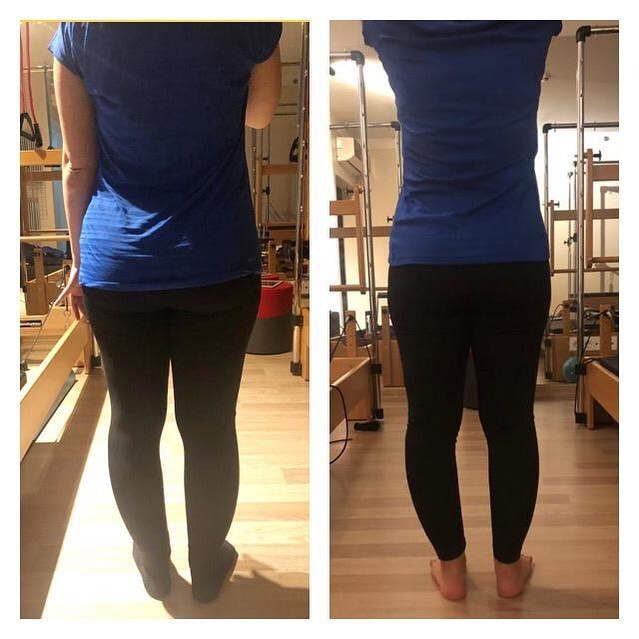
Introduction: My Struggle With Weight and Diet Culture
Like most women, I’ve had my fair share of battles with the scale. I never feel like I’m at my “ideal” weight, and staying happy with my body in a world of perfectly filtered social media feels impossible. Then I look back at old photos and think, “Oh wow, I actually looked pretty good back then.” It’s a cycle I’m sure you know well.
I’ve learned the hard way that extreme dieting does more harm than good. Those dramatic weight losses? Usually just water weight and muscle. And those lost pounds? They come back faster than you lost them. I’ll admit it—I tried the cabbage soup diet during college when I gained weight. I starved myself for a week and gained everything back just as quickly. It was miserable. After that, I basically swore off dieting entirely.
But as I’ve gotten older, I’ve accepted that the solution isn’t about shocking my system. It’s about sustainable eating, staying active, and being smart about my choices. Sometimes I’ll carry a few extra pounds, then I’ll tighten up, then maybe gain some back. That seems to be how life works.
Why the Mediterranean Diet Finally Made Sense for Me
I didn’t have to think too hard about choosing the Mediterranean diet—it aligned perfectly with my family’s traditional eating habits.
The Mediterranean diet is basically a flexible eating plan focused on whole foods. It emphasizes plant-based foods like vegetables, fruits, whole grains, legumes, nuts, and olive oil, with moderate amounts of fish and seafood. You avoid processed foods, refined carbs, sugary sodas, and excessive red meat.
I even cut out most fruit (controversial, I know) because of the sugar content, though I’m not sure how sound that approach is. But this diet felt sustainable in a way others never did.
Breaking My Snacking Habits (The Hardest Part)
The biggest challenge was giving up my snacking routine. I completely eliminated sugary drinks, cut wine down to almost nothing, and stayed away from packaged foods, acidic drinks, and fruit juices.
For snacks, I switched to plain Greek yogurt with half a banana or some strawberries to avoid sugar crashes. I also discovered that plain, lightly salted popcorn is one of the lowest-calorie snacks that actually fills you up—just don’t go overboard with butter and seasonings, or you’ll undo all your progress.
I created a simple guideline for myself based on official Mediterranean diet resources, which gave me a loose framework to follow.
My Simple Exercise Plan: Walk, Move, Repeat
I committed to walking an hour every day. Sometimes on the treadmill, sometimes outside when weather permitted. Here’s how I tricked myself: an hour sounds long, but I told myself I only needed to walk for 30 minutes in one direction—I’d have to turn around and come back anyway, so the full hour would happen naturally.
Research shows that moderate, longer activities like walking and swimming are ideal for sustainable weight loss, especially for someone like me with no athletic background. I also joined a Pilates class and fell in love with it. Activating my core and working muscles I didn’t even know existed felt amazing.
Even though the movements look easy, they’re surprisingly challenging. The endorphin rush after a good sweat session was addictive, and I never reached for a soda afterward—just plenty of water.
I tried to drive less for short distances. If somewhere was 15–20 minutes away on foot, I’d walk instead of driving. Every little bit of extra movement counted. Weigh-ins were only once a week to avoid obsessing—I focused on smarter swaps instead.
What My Daily Mediterranean Diet Looked Like
I’m not a nutritionist, so I won’t give you a strict meal plan, but here’s generally what I ate:
Breakfast:
- Oatmeal with nuts and a few berries
- Greek yogurt with cucumber and olive oil
Lunch:
- Big salads with greens, chickpeas, feta, and grilled fish or chicken
Dinner:
- Baked salmon with quinoa and steamed veggies
- Stir-fries with a bit of lean meat (I love meat, so I kept it moderate)
Snacks:
- Greek yogurt with banana
- Lightly salted popcorn
- Herbal tea or coffee with no sugar
I added steamed or roasted vegetables to every meal and completely avoided sauces and dressings. Restocking the kitchen was more expensive, but I reminded myself this was about habit changes and sustainable eating. Baby steps helped—just healthier choices in the moment, not total deprivation.
Evenings were tough. I’d have a calorie-free coffee or tea with something very light, if anything. I tried to trick my mind as much as my stomach.
The Emotional Side: Harder Than Expected
I was never someone who needed to lose tons of weight, but I wanted to prove to myself that if others could do it, so could I.
The first few days were brutal. I felt constantly hungry and somehow not quite like myself. As someone with emotional eating habits, this was especially challenging. I picked up chocolate bars multiple times at the store and put them back. Each time I left the grocery store without buying something unhealthy, I felt genuinely proud of myself.
Emotional eating is real—and learning to separate emotion from hunger was a huge step in my Mediterranean diet weight loss journey.
The Results: 10 Pounds Down and a Sustainable Routine
After the first month, I had lost about 10 pounds. As spring turned to summer, the motivation of fitting comfortably into my summer clothes and bikinis kept me going. I got excited about wearing clothes that had been sitting unworn for a couple of years.
I don’t know if the Mediterranean diet is the “easiest” to follow, but I learned that diet alone isn’t enough—you need serious commitment to movement and consistent habits.
By controlling my daily eating somewhat, allowing occasional cheat meals, and not torturing myself or avoiding life’s pleasures entirely, I felt like I could maintain this approach long-term. After about four months, the 10 pounds stayed off, and I felt noticeably different.
The best part? Unlike crash diets, it hasn’t come back because it’s sustainable.
Reality Check: What I Learned From This Weight Loss Journey
Life involves some trade-offs with weight management. We’ll gain some, we’ll lose some. It’s an ongoing process rather than a destination. But finding an approach you can live with long-term makes all the difference.
Mediterranean diet weight loss isn’t magic—it’s a mindset shift toward balance and consistency.
These aren’t strict rules for everyone. Weight loss is personal and varies by individual. Always consult with a doctor or nutritionist before making significant changes to your diet or exercise routine.

